
Rubber Dam Clamps
Rubber dam clamps by tooth position — anterior, premolar and molar patterns including #00, #9, #212, #2, #2A, #7, #8A, #14A, #W8A and the starter kit.
Browse Categories
Rubber Dam Clamps
What are rubber dam clamps?
Rubber dam clamps anchor the dam and retract gingival tissue away from the working field. Each clamp is designed for a tooth type and, in some cases, a specific arch and side — jaw span and the angle of the beaks have to match the tooth's cervical contour or the clamp will not seat and will spring off under load. Winged patterns allow the clamp, dam and frame to be placed as one assembly; wingless patterns give a clearer field.
How the rubber dam clamps range is organised
- Anterior:
- #00, #9, #1A and #212 — the cervical retraction clamps for anterior isolation.
- Premolar:
- #0, #1, #2, #2A, #27N and #29.
- Upper molar:
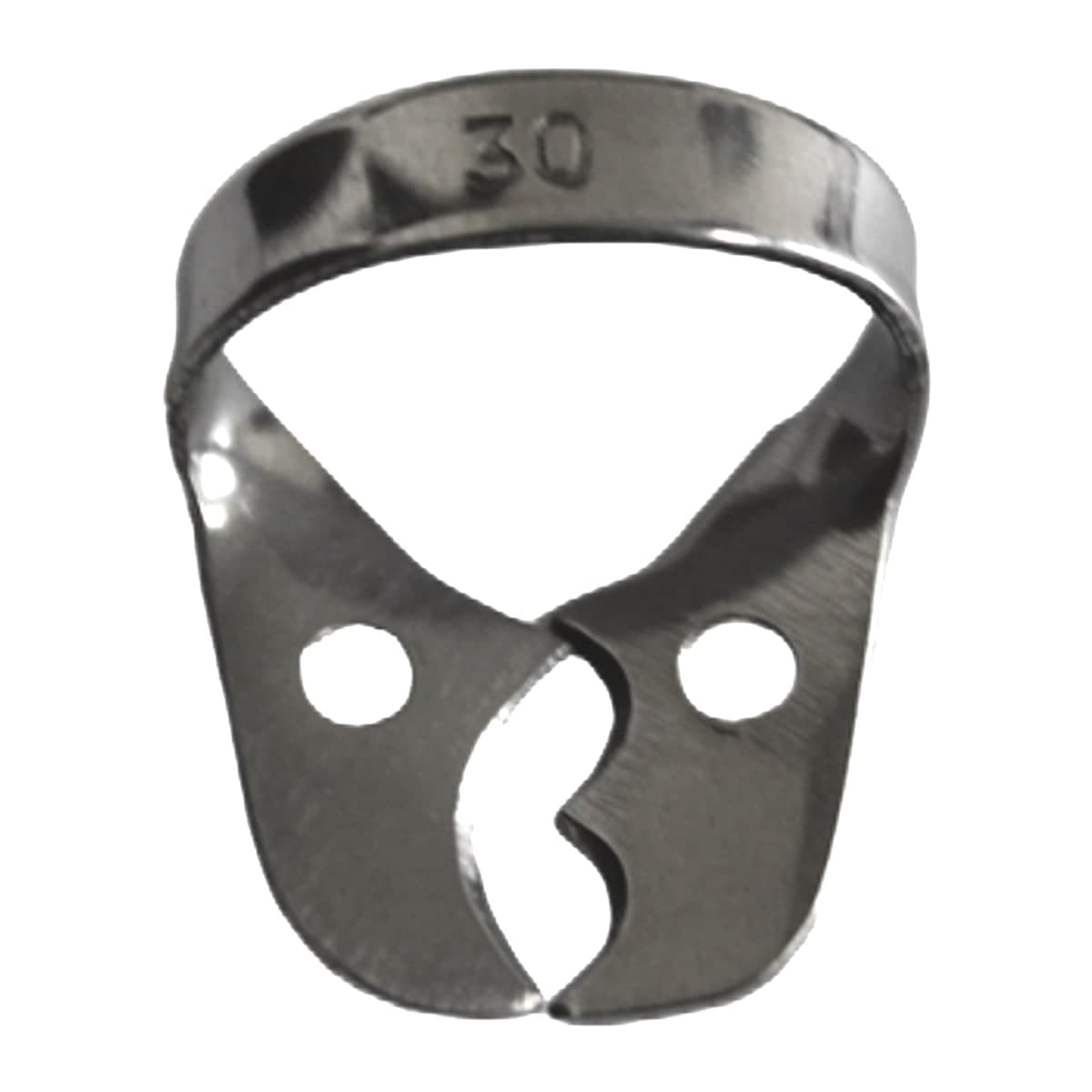
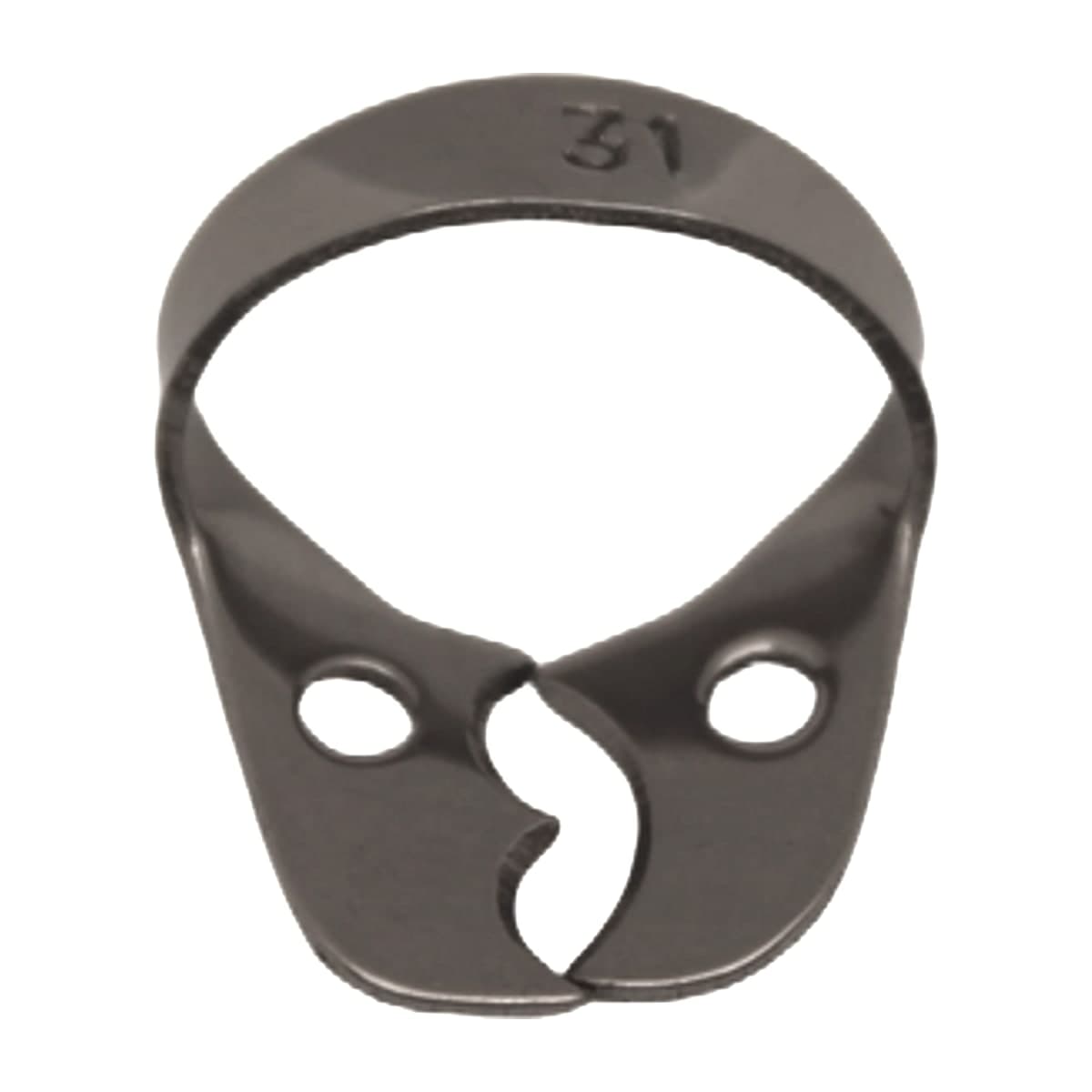
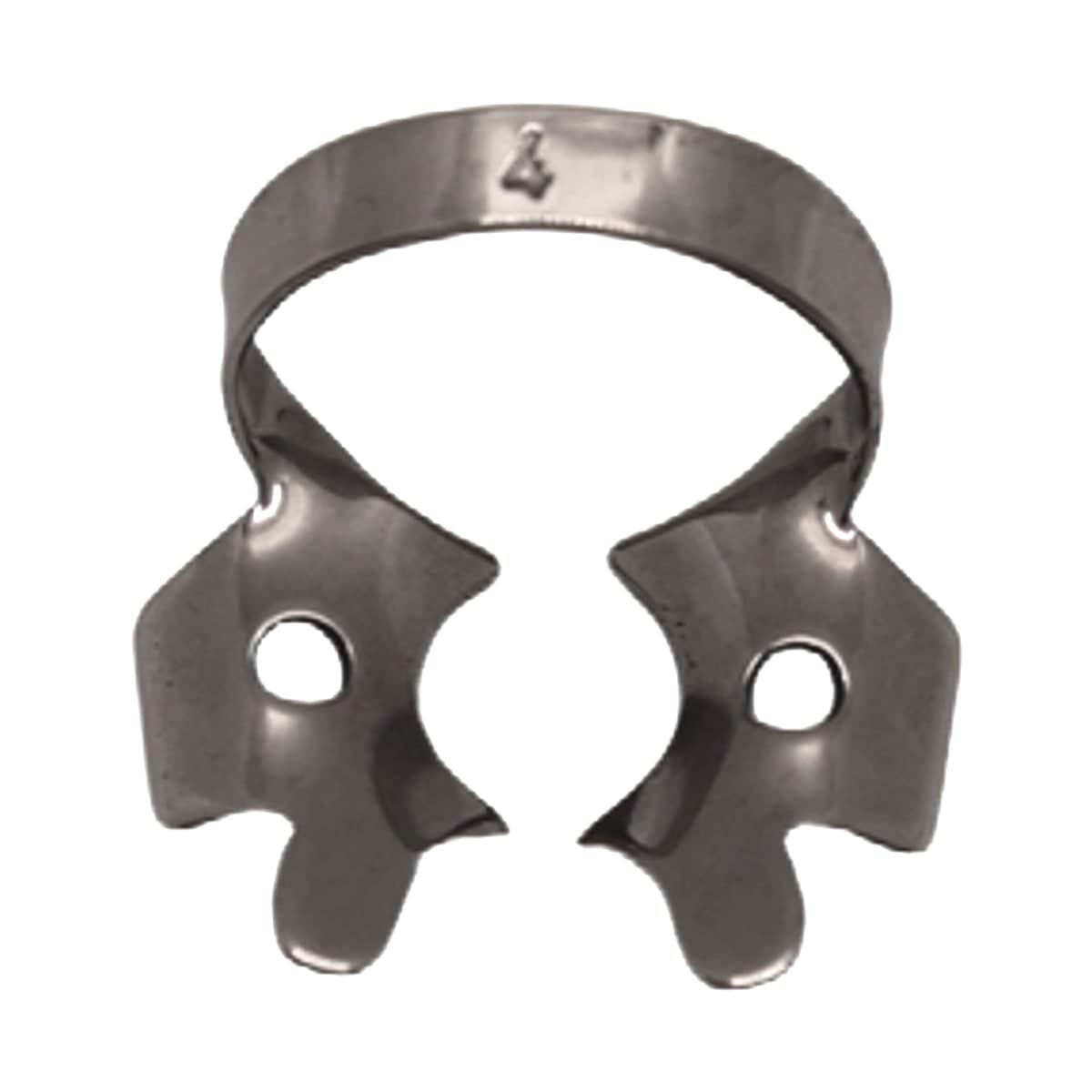
- #4, #5, #8, #26N, #30, #31, #201 and #205.
- Lower molar:
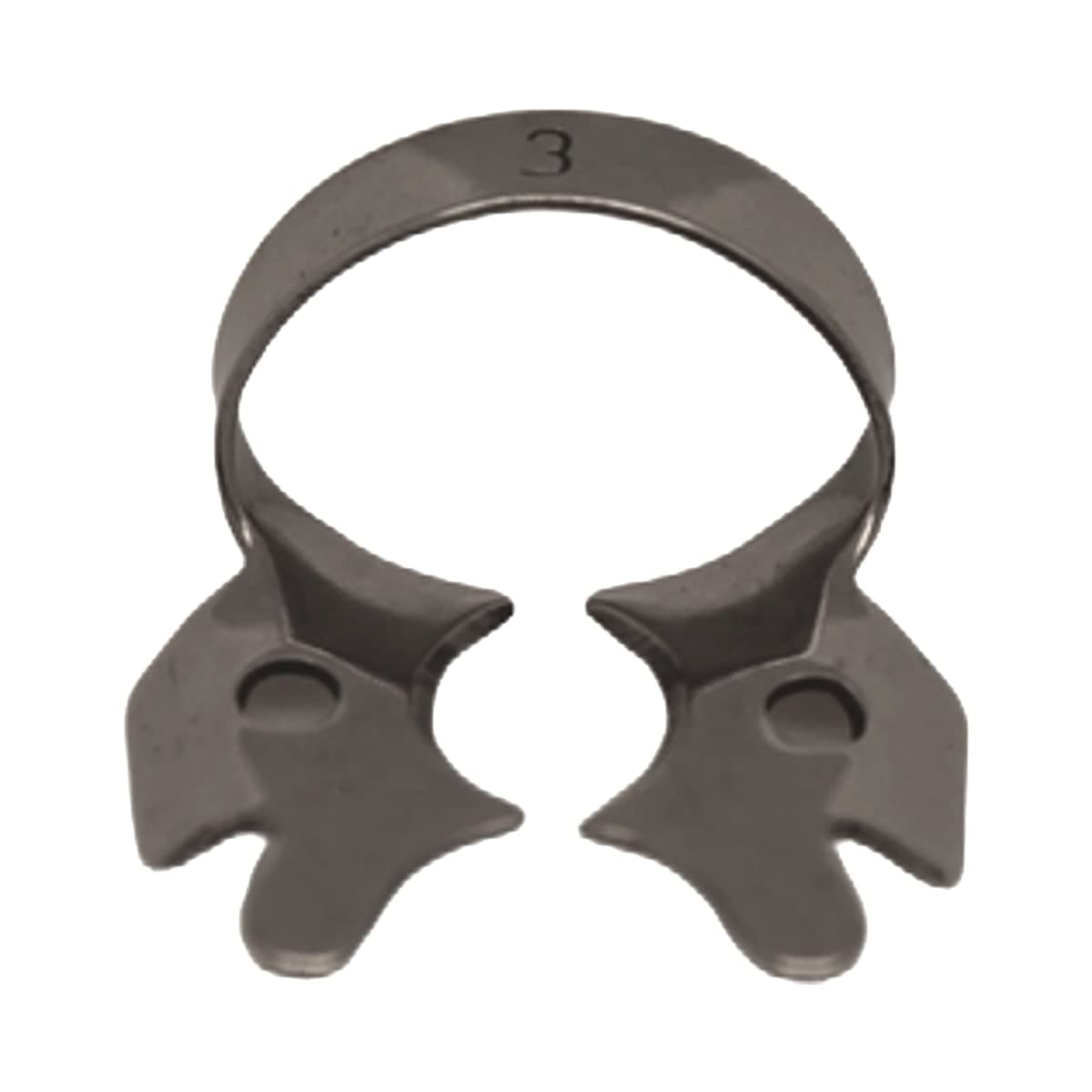
- #3, #7, #7A, #12A, #13A, #26, #28 and #W3.
- General molar:
- #10, #11, #14, #14A, #18, #24, #25, #27, #56, #8A and #W8A.
- Starter kit:
- One each of #0, #2, #2A, #7, #8A, #212, #14 and #14A — the eight that cover most cases.
Choosing the right rubber dam clamp
If you are stocking from scratch, the starter kit is the honest answer: those eight clamps cover the large majority of routine isolation. Beyond that, add by what you actually treat — #212 for anterior cervical restorations, #14A for a partially erupted molar, #4 and #7 as arch-specific upper and lower molar workhorses. Always ligate a clamp with floss before placing it. Check the beaks for cracks at the jaw junction during reprocessing; clamps fail there and they fail without warning.
Rubber Dam Clamps
Rubber Dam Clamp #3 Lower Molar
SKU: 20011
Rubber Dam Clamps
Rubber Dam Clamp #30 Upper Molar
SKU: 20161
Rubber Dam Clamps
Rubber Dam Clamp #31 Upper Molar
SKU: 20171
Rubber Dam Clamps
Rubber Dam Clamp #4 Upper Molar
SKU: 20121
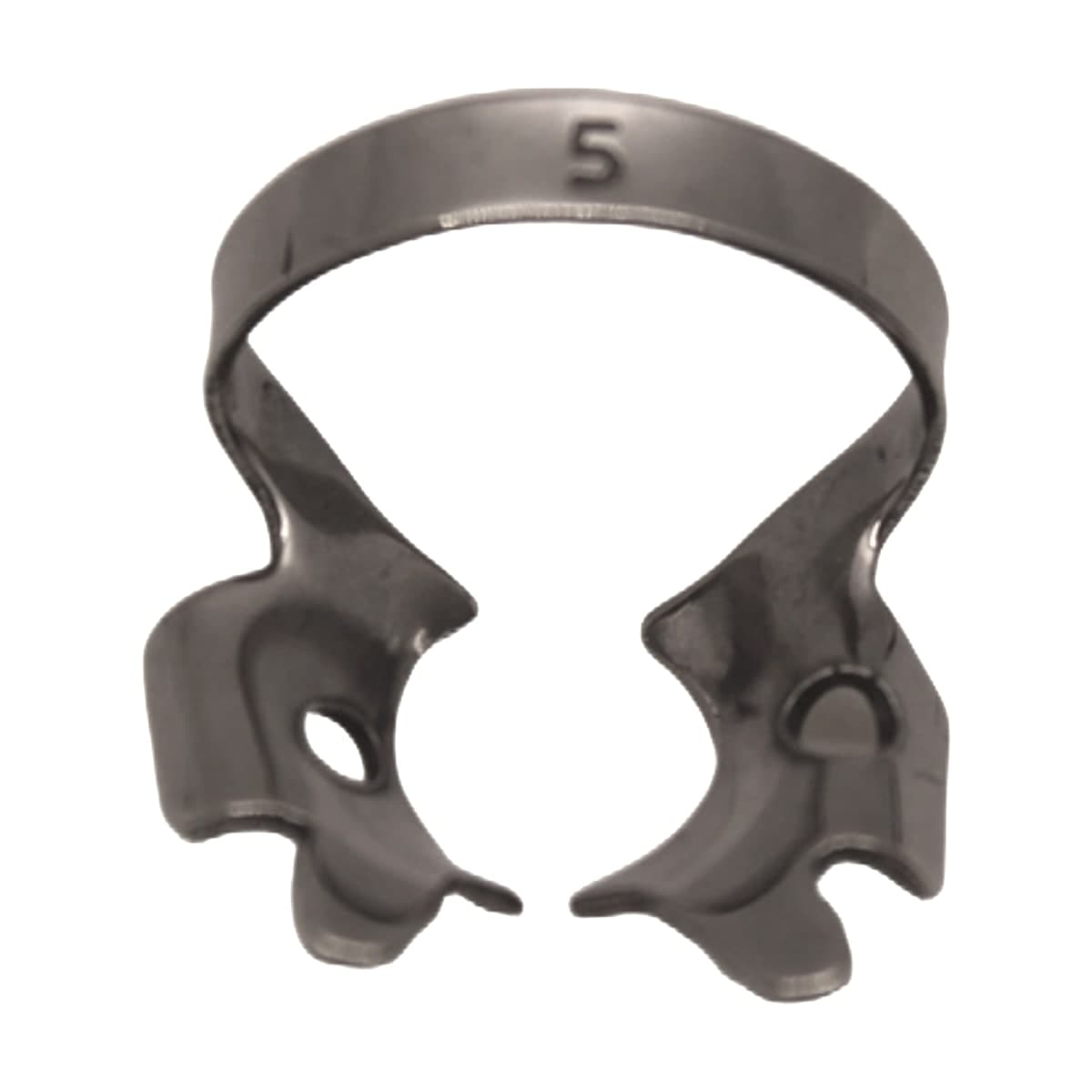
Rubber Dam Clamps
Rubber Dam Clamp #5 Upper Molar
SKU: 20131
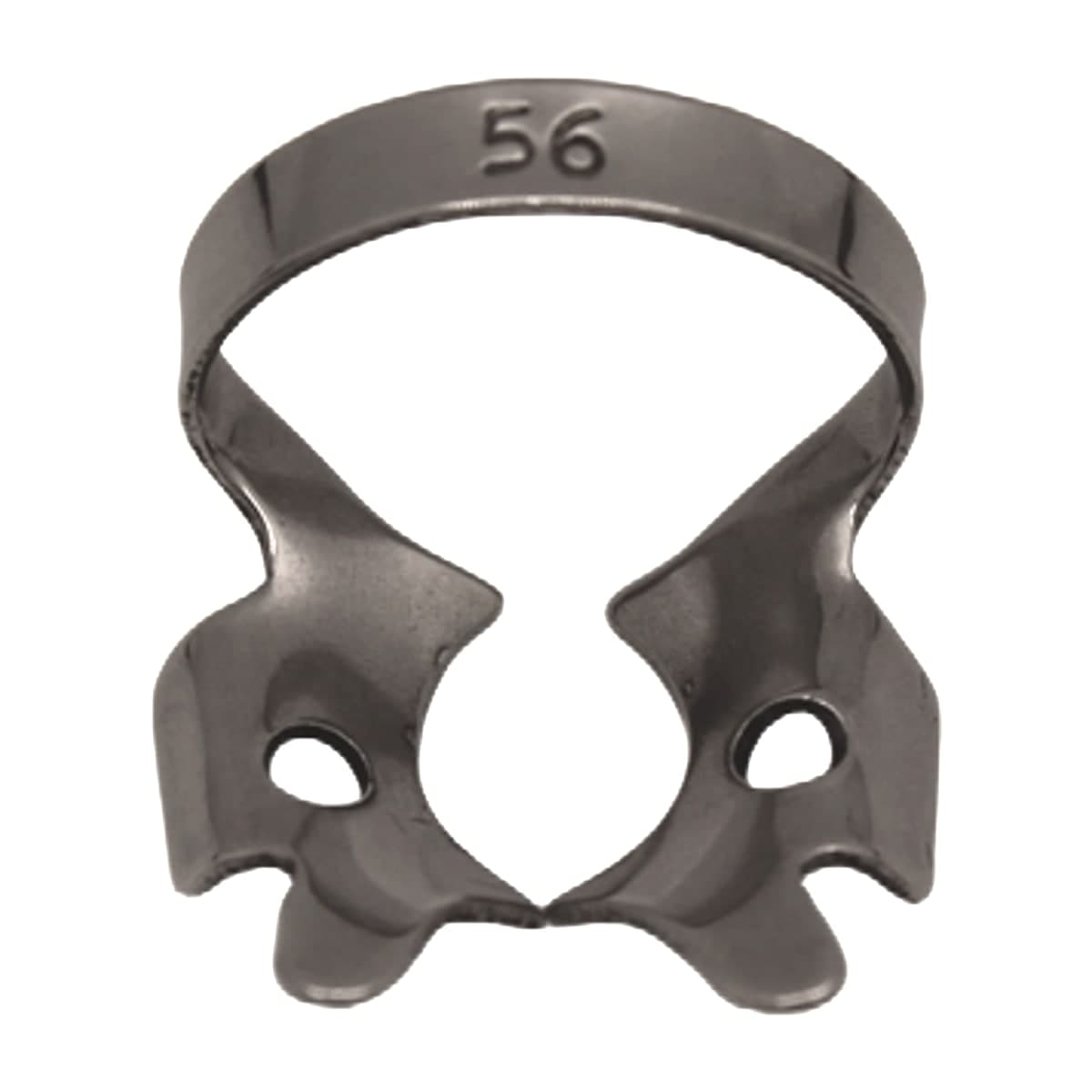
Rubber Dam Clamps
Rubber Dam Clamp #56, Molar General
SKU: 20341
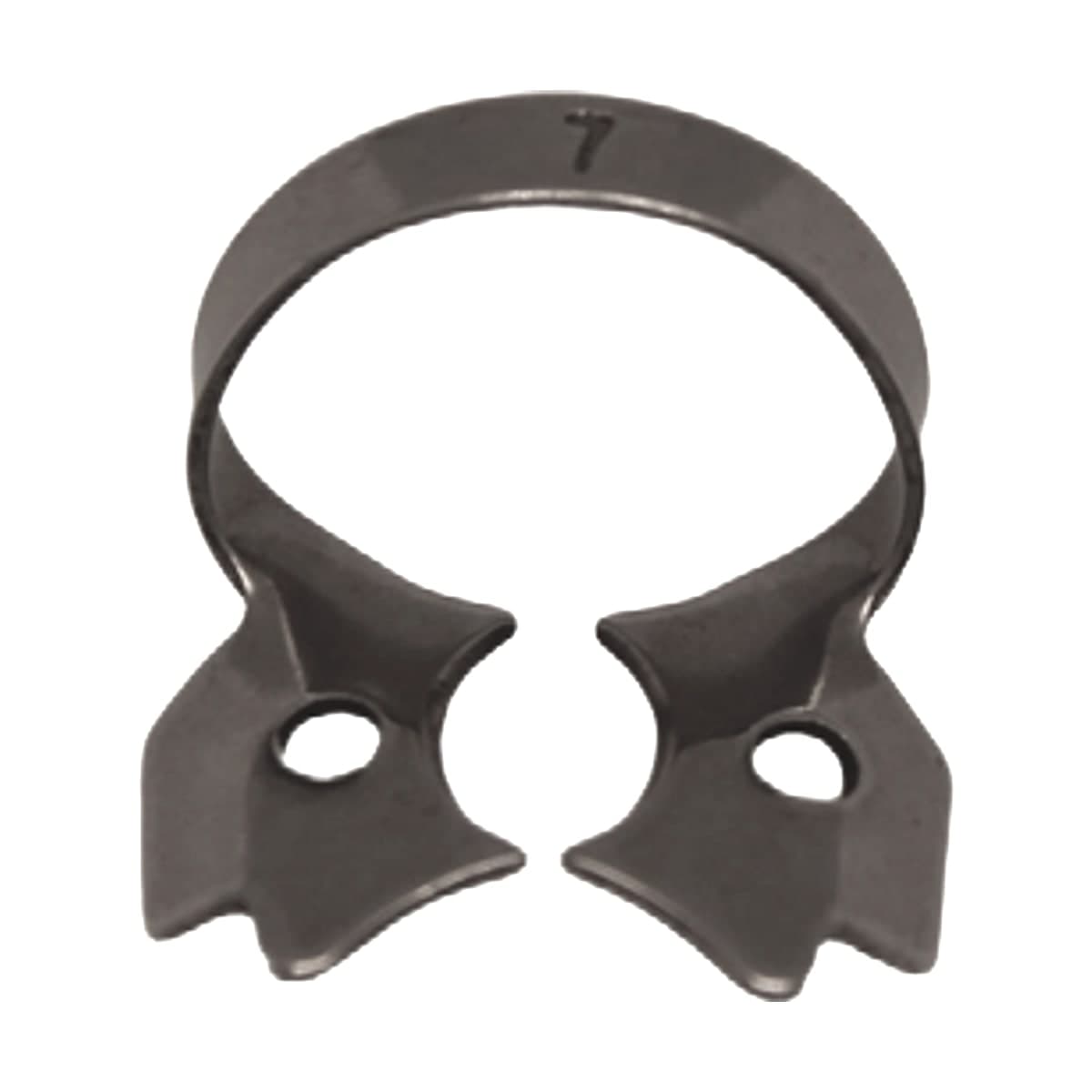
Rubber Dam Clamps
Rubber Dam Clamp #7 Lower Molar
SKU: 20031
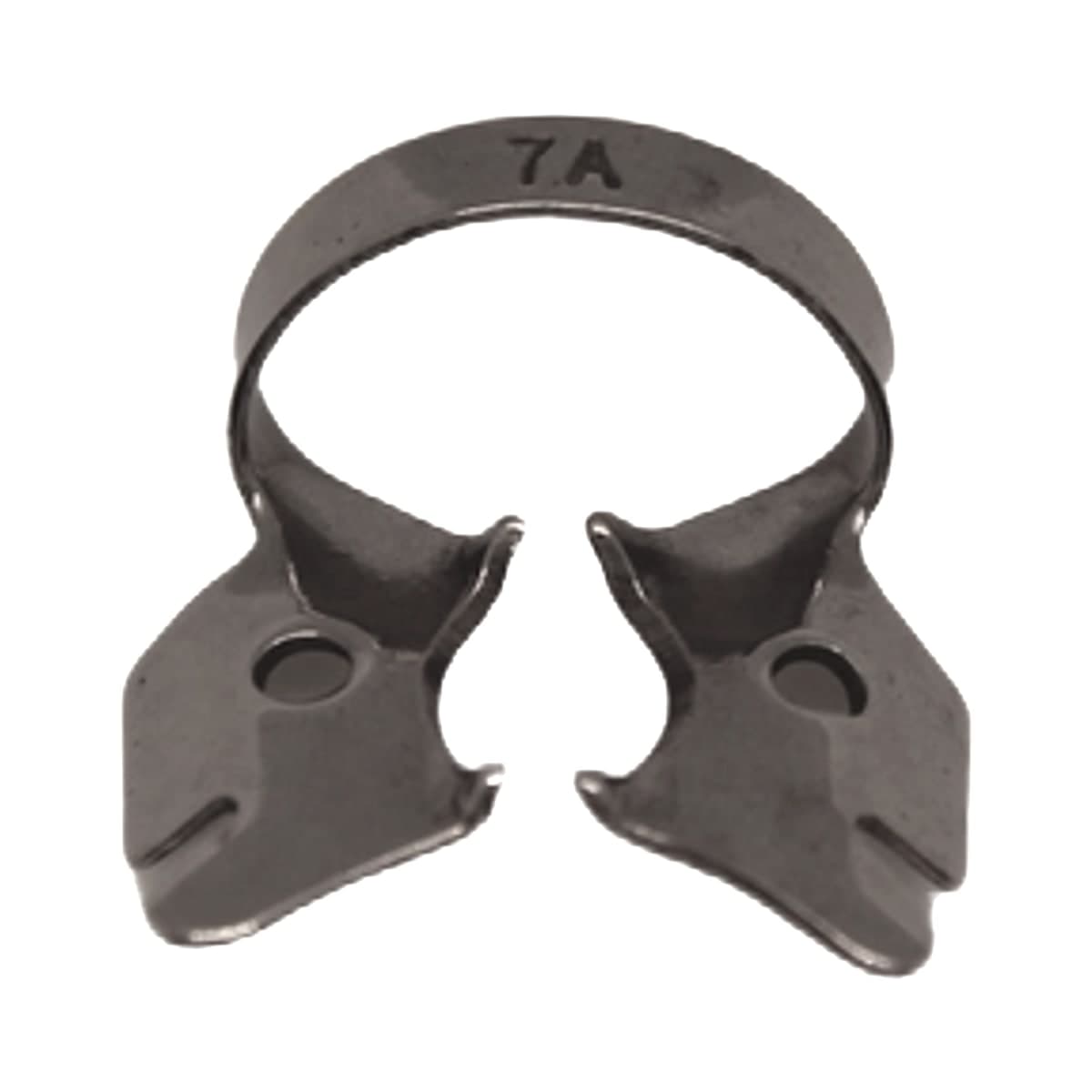
Rubber Dam Clamps
Rubber Dam Clamp #7A Lower Molar
SKU: 20041
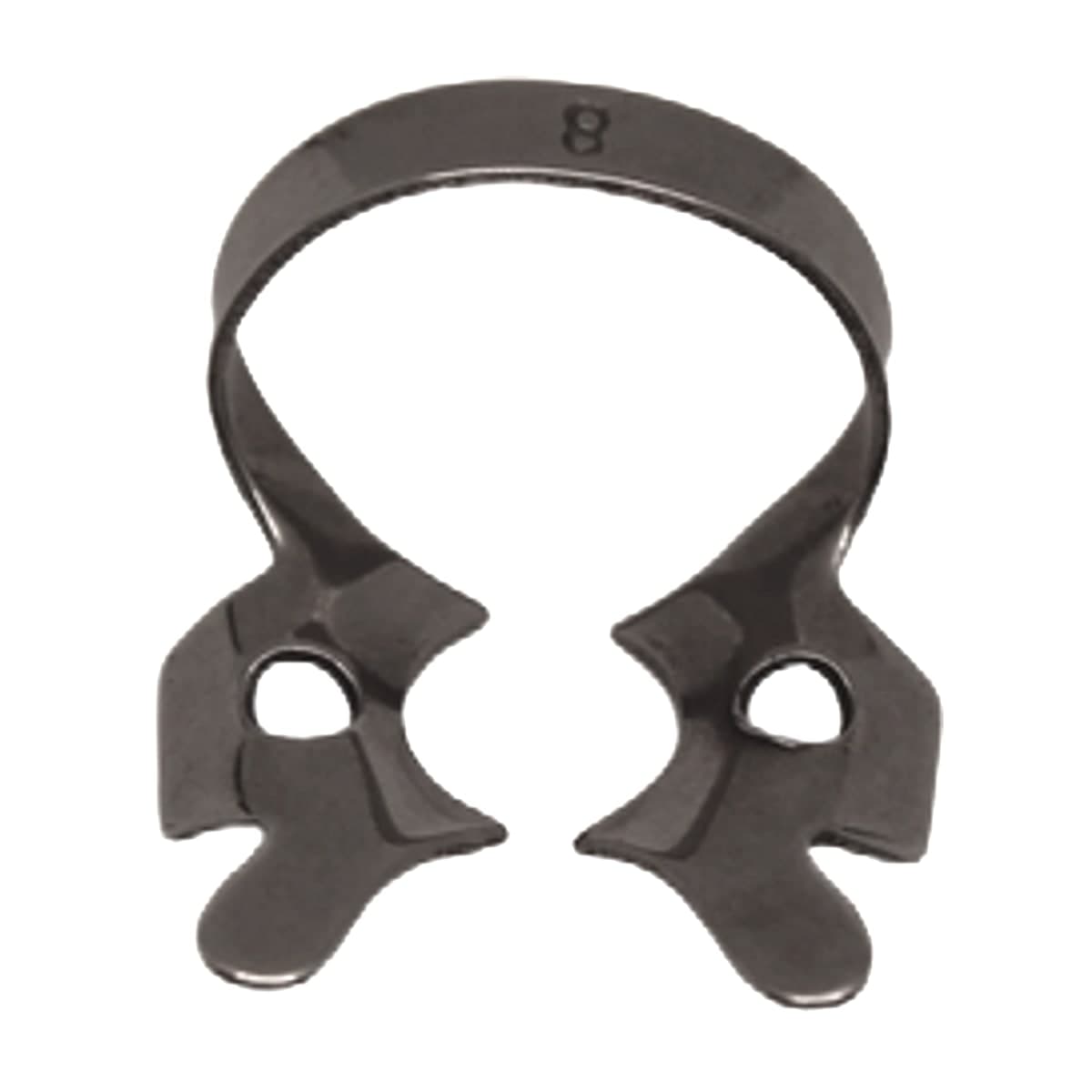
Rubber Dam Clamps
Rubber Dam Clamp #8 Upper Molar
SKU: 20141
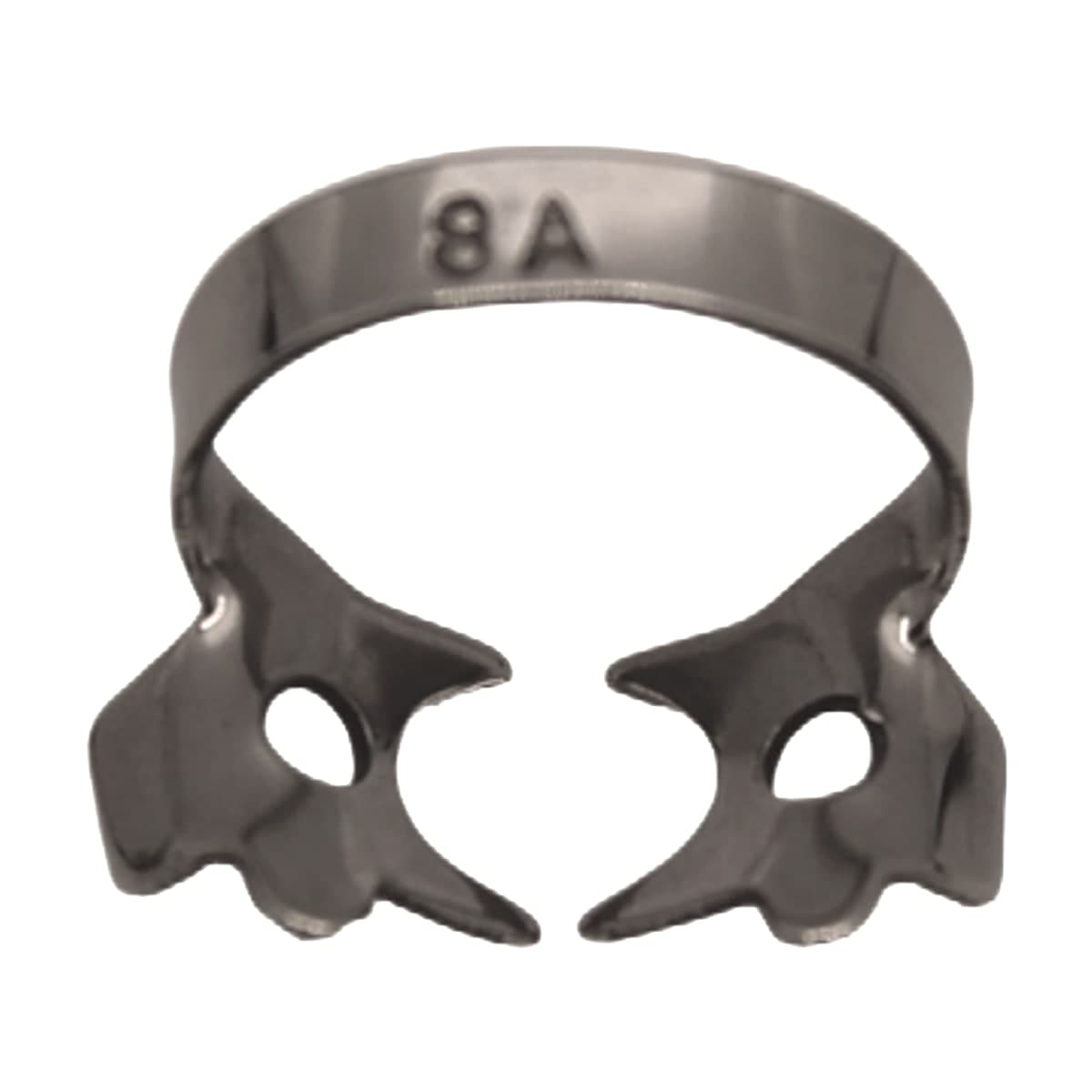
Rubber Dam Clamps
Rubber Dam Clamp #8A, Molar General
SKU: 20241
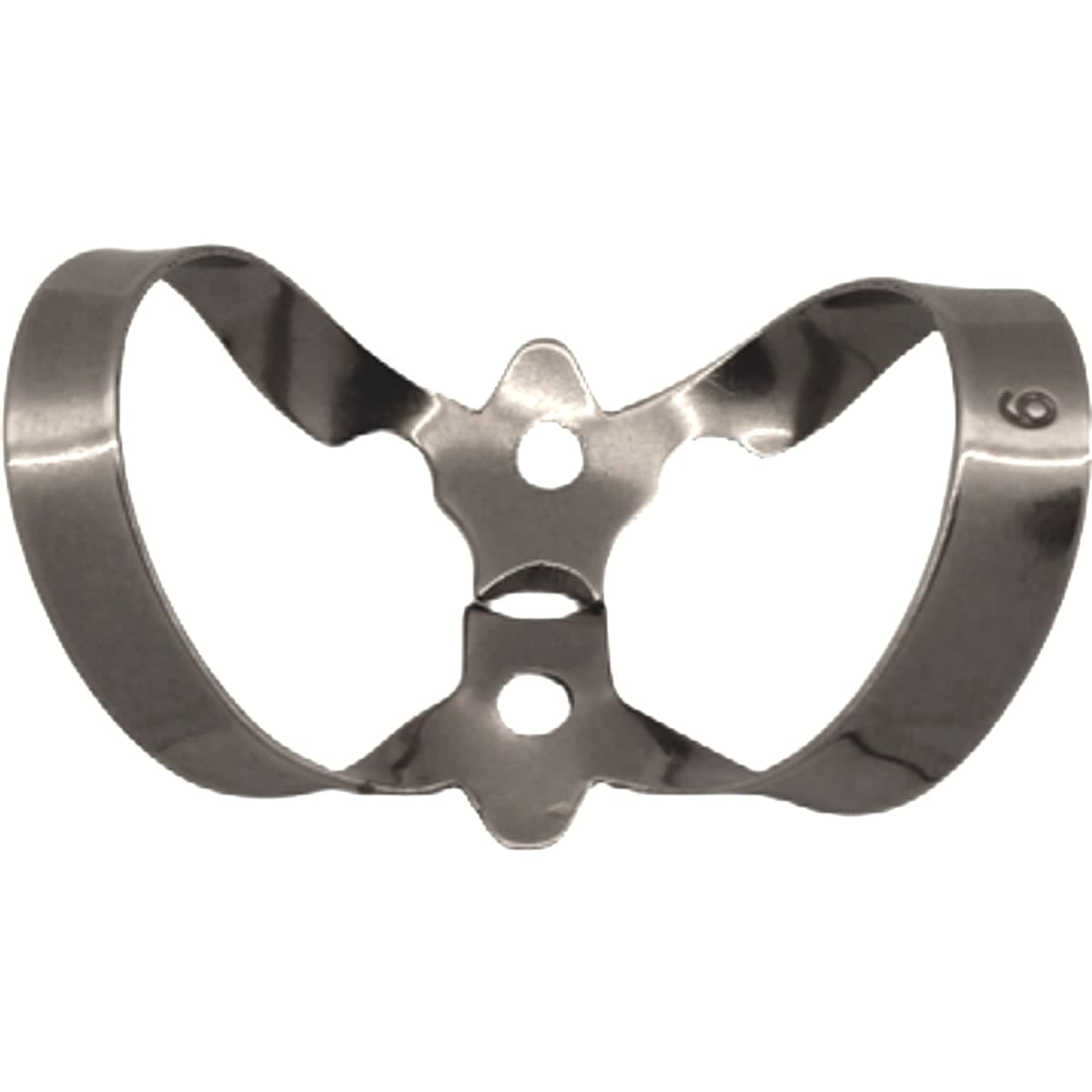
Rubber Dam Clamps
Rubber Dam Clamp #9 Anterior
SKU: 20491
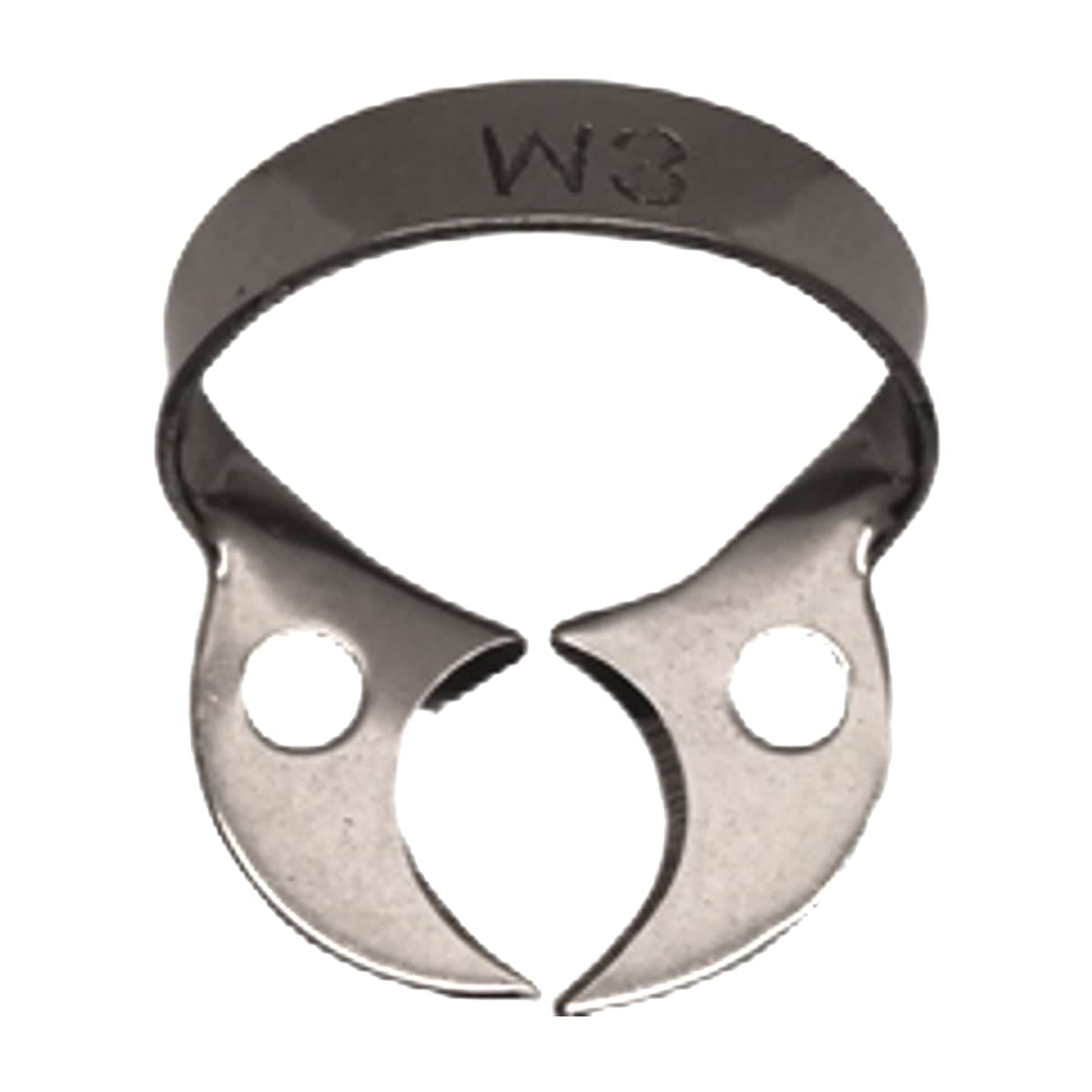
Rubber Dam Clamps
Rubber Dam Clamp #W3 Lower Molar
SKU: 20021
Rubber Dam Clamps
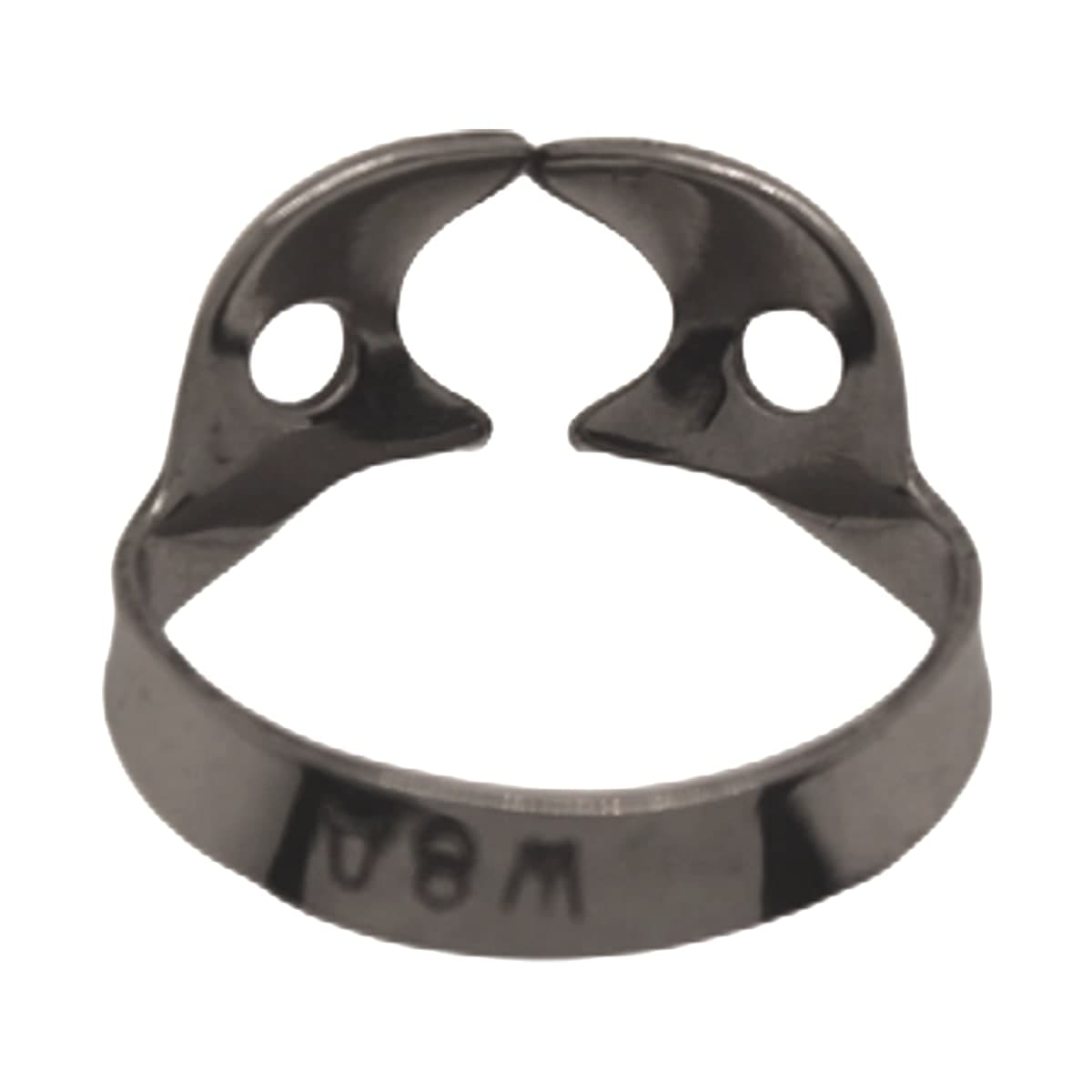
Rubber Dam Clamp #W8A, Molar General
SKU: 20251
Rubber Dam Clamps
Rubber Dam Clamps Starter Kit, contains 1 ea: # 0, 2, 2A, 7, 8A, 212, 14 & #14A
SKU: 20901